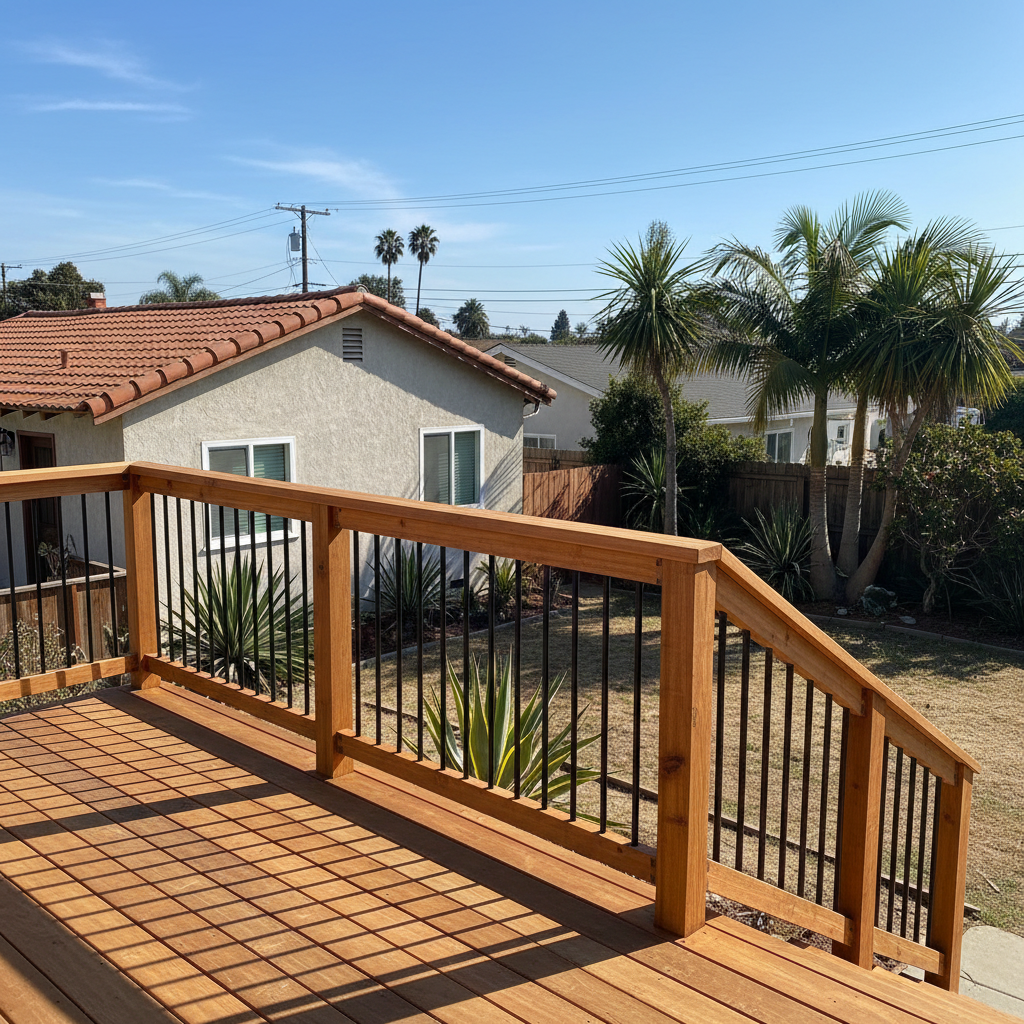
Alright, let's talk deck railings. You've got a deck, maybe it's old, maybe it's new, but at some point, you're going to need railings. Or maybe you're just upgrading for safety or looks. Whatever the reason, one of the first questions I get asked is always, "What's this going to cost me?" It's a fair question, and frankly, a lot of folks out there just give you the runaround.
What Makes Deck Railing Prices Jump Around?
You want a straight answer, so I'll give you one. It's not just one thing that sets the price; it's a mix of factors. Think of it like buying a car – a basic sedan costs a lot less than a fully loaded SUV, right? Railings are similar.
- Material Choice: This is probably the biggest one. Wood is generally the cheapest upfront, but it needs more maintenance. Composite or PVC railings are low-maintenance and durable, but they cost more initially. Then you've got aluminum, steel, glass panels, cable railings – each has its own price point. Glass panels, for example, look fantastic and give you unobstructed views of the ocean or your backyard, but they're definitely on the higher end due to the material and specialized installation.
- Linear Footage: Simple math here. The more railing you need, the more it's going to cost. Measure your deck perimeter, and you'll get a good idea.
- Design Complexity: A straight run of railing is easier and quicker to install than something with multiple angles, curves, or intricate post designs. Custom work always adds to the labor cost.
- Site Conditions: Is your deck easy to access? Is it two feet off the ground or twenty? Working on a second-story deck with limited access, especially in some of the tighter lots you see in Belmont Shore, takes more time and safety precautions, which means more labor.
- Permits: Yes, you often need permits for deck work, especially if you're changing the structure or adding railings where there weren't any. Long Beach building codes are specific, and getting it wrong can lead to headaches and fines. A good contractor will handle this for you, but it's part of the overall cost.
Typical Cost Ranges for Deck Railings in Long Beach
Okay, let's get down to some actual numbers. Remember, these are general ranges, and your specific project could be higher or lower. This is what I've seen over the years working on decks all over Long Beach, from Naples to Bixby Knolls.
- Pressure-Treated Wood: You're usually looking at $25-$50 per linear foot. It's budget-friendly, but you'll need to paint or stain it regularly to protect it from our coastal humidity.
- Composite/PVC: This is a popular choice for good reason. Expect to pay $50-$90 per linear foot. It's more durable, low maintenance, and comes in a bunch of colors. You won't be painting this stuff.
- Aluminum: A solid, sleek option that's great for modern homes. Costs typically run $60-$120 per linear foot. It's strong, doesn't rust, and needs very little upkeep.
- Cable Railings: These really open up a view. They're usually in the $80-$150 per linear foot range. The materials are a bit more specialized, and the installation needs precision.
- Glass Panel Railings: If you want that high-end, unobstructed view, glass is it. This can run you anywhere from $120-$250+ per linear foot, depending on the type of glass and mounting system.
So, for an average 200 sq ft deck, which might have, say, 40-50 linear feet of railing, you could be looking at anywhere from $1,000 for basic wood up to $12,500 or more for high-end glass or custom metal work. That's a big spread, I know, but it really depends on what you pick.
What Should Be in Your Quote?
When you get a quote from Long Beach Deck Concepts or any other reputable contractor, make sure it's clear and detailed. You don't want surprises. Here's what you should expect to see:
- Material Costs: Itemized breakdown of the railing type, posts, balusters, hardware, and any special features.
- Labor Costs: This should cover the installation time, including any demo of old railings.
- Permit Fees: If permits are required, these should be listed.
- Disposal Fees: Getting rid of old materials isn't free.
- Any Additional Work: If they need to reinforce the deck structure to support new railings, that should be noted.
- Warranty Information: Both for materials and workmanship.
How to Avoid Overpaying
Nobody wants to get ripped off. Here's my advice:
- Get Multiple Quotes: Don't just go with the first guy. Talk to at least three different contractors. This gives you a good baseline for pricing and lets you compare their approach.
- Be Specific About What You Want: The more details you can give upfront about materials, style, and height, the more accurate your quotes will be.
- Check References and Reviews: See what other Long Beach homeowners say about their work. A good reputation speaks volumes.
- Ask About Experience: Railing installation isn't always straightforward. You want someone who's done this a lot and knows the local codes.
- Don't Always Go for the Absolute Cheapest: There's a reason some quotes are super low. It might mean cutting corners on materials, skipping permits, or using inexperienced labor. You usually get what you pay for, especially with something as important as safety.
Doing your homework pays off. A well-installed railing not only looks good but keeps everyone safe. It's an investment, so make sure you're getting quality work for a fair price.